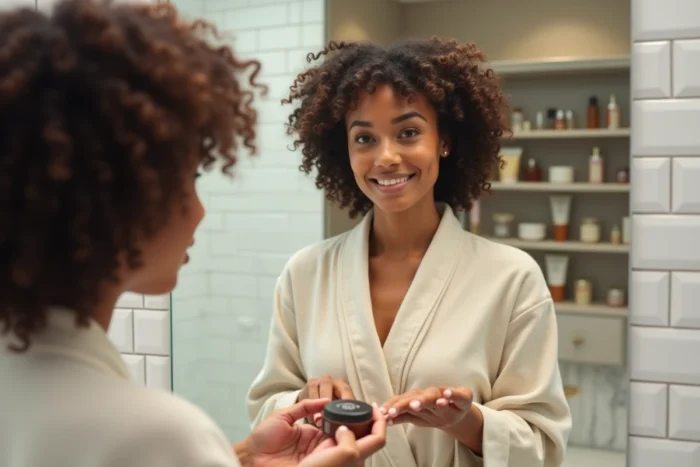
The Vermogal ointment is a hair gel whose active ingredient, bioallethrin, was initially formulated for its antiparasitic properties. Its use has expanded in certain care routines, where users apply it to stimulate the scalp and limit hair loss. Understanding the texture and behavior of this gel on the hair fiber directly influences the results obtained.
Dilution and dosage of Vermogal before application
Vermogal comes in the form of a concentrated gel. Applying it pure directly to the scalp can lead to irritation, especially on sensitive skin. The most common method involves taking a small amount of gel and diluting it in a small bowl with a bit of warm water until a fluid consistency is achieved.
This dilution facilitates the distribution of the product and prevents clumping in certain areas of the scalp. For those seeking maximum precision, transferring the mixture into a henna syringe allows for applying the gel section by section. This targeted action concentrates the product where it works, namely on the roots and not on the lengths.
A detailed guide explaining how to use Vermogal ointment for hair specifies these preparation steps and the proportions to respect according to hair length.

Frequency and application time: finding the right rhythm with Vermogal
The frequency of use makes all the difference between a beneficial treatment and an aggression to the scalp. One application per week is more than sufficient for most hair profiles. Increasing the applications beyond this rhythm will not accelerate growth but may dry out the fiber or irritate the skin.
Regarding application time, two approaches coexist:
- A minimum of two hours under a cap or warm towel, allowing the gel time to penetrate the scalp without drying out the hair
- An overnight application (for a whole night), favored by those seeking a prolonged effect, provided that the pillow is protected with a towel and thoroughly rinsed in the morning
- Some users leave a small amount of diluted gel on the roots without rinsing daily, but this practice remains poorly documented and carries a risk of residue buildup
Rinsing is a step that should not be rushed. A gentle shampoo, applied in two passes, removes the gel film without irritating the scalp. Leaving Vermogal residues can suffocate the follicles and produce the opposite effect of what is desired.
Eye protection and precautions for using Vermogal
Bioallethrin is an active compound that causes severe irritation upon contact with the ocular mucosa. Protecting the eyes throughout the application is not just a comfort recommendation; it is a health necessity.
Applying the gel from the back of the head towards the forehead reduces the risk of drips onto the face. Wearing a fabric headband at the forehead line absorbs any excess diluted product. In case of accidental contact with the eyes, a thorough rinse with clear water for several minutes is required before taking any further action.
At-risk skin and contraindications
An irritated scalp with wounds, greasy dandruff, or scratching lesions should not receive Vermogal without prior medical advice. The penetration of the active ingredient into damaged skin can amplify inflammation instead of calming it.
Pregnant women and young children are generally excluded from the usage protocols of this type of antiparasitic product. In case of doubt, a dermatologist or pharmacist remains the most reliable source before starting a hair treatment with this gel.

Visible results on hair: what to expect with Vermogal
User feedback converges on one point: results appear gradually, not overnight. Hair loss may decrease after a few weeks of regular application, but visible regrowth requires more patience. Waiting several months before judging the product’s effectiveness seems consistent with the natural hair growth cycle.
Vermogal primarily acts on the scalp, not on the intrinsic quality of the already formed fiber. To enhance the lengths, combining this treatment with a moisturizing conditioner or a vegetable oil treatment (argan, castor) provides the nutrition that the gel alone does not supply.
When to stop or adjust the treatment
Persistent itching, redness, or increased dryness of the scalp after two or three applications indicate poor tolerance. In this case, spacing out the applications or reducing the concentration of the mixture should be the first reflex. If symptoms persist, stopping Vermogal and consulting a healthcare professional remains the only reasonable option.
Vermogal is neither a moisturizing treatment nor a repairing mask. Its role is limited to action on the scalp and roots. Attributing virtues to it that it does not possess has led to disappointments, where a well-framed, regular, and properly dosed use produces the best results over time.